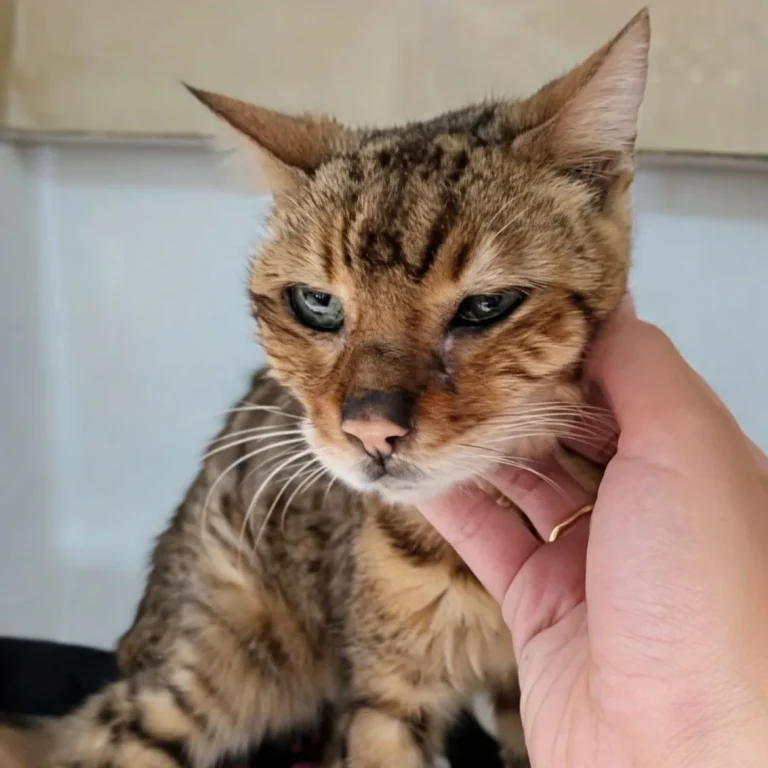
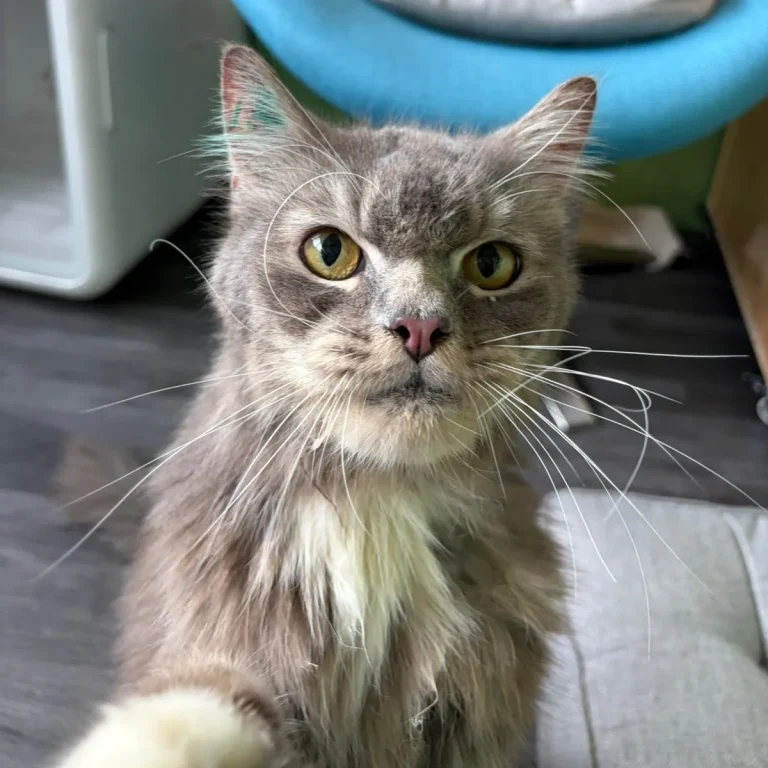
About fostering
Make a difference — for them and for you
i
Fostering is open by application only. Complete the fostering application form and our team will be in touch.
Experience with animals is a plus, but not required — we will support and guide you every step of the way
Opportunities range from bottle-feeding tiny orphans to nursing adults back to health after illness or injury
Medical consultations and treatment at our in-house SPCA Community Animal Clinic are free of charge
Expenses incurred at private clinics may not be reimbursed by the SPCA — contact us first if unsure
↑ Back to menu
Fostering requirements
What you need to know before fostering
The fosterer must be 18 years old or older at point of application
The fosterer will return the animal to SPCA on the return date stated by SPCA
The fosterer is responsible for the well-being of the animal at all times
Notify SPCA immediately if the animal becomes unwell or injured while in your care
SPCA may conduct checks on the animal and living conditions at any time without prior notice
SPCA reserves the right to repossess the animal if it is not being adequately cared for
Inform SPCA of any changes to your address, email, or phone number during the fostering period
If a permanent home is found, the potential adopter must visit SPCA to complete adoption paperwork first
SPCA will not be responsible for injury or property damage caused by the animal while in your care
In cases of zoonotic disease (e.g. ringworm, scabies), take all necessary precautions to prevent transmission
↑ Back to menu
Common reasons for rejection
Applications may be rejected if any of the following apply
i
These are not exhaustive — our team reviews each application individually to ensure the best outcome for every animal.
The applicant intends to allow the fostered animal to roam unsupervised outdoors
The applicant is under 18 years of age at time of application
The applicant is unable to separate the fostered animal from their own pets — especially critical for medical fosters
Any household member has severe fur allergies, discomfort around animals, or objects to the animal being in the home
The applicant is frequently away from home or travels for extended periods
The applicant refuses to mesh windows — a non-negotiable requirement for fostering cats
The applicant intends to keep the fostered cat or dog crated for prolonged periods during the day
The applicant plans to declaw or debark the animal — such practices are inhumane and strictly prohibited
The applicant does not agree to having the fostered animal sterilised or tattooed after sterilisation
↑ Back to menu
How fostering helps animals
Every fosterer makes a real difference
Reduces stress
Shelters can be noisy and stressful, especially for sensitive or recovering animals. Fostering provides a calm, home-like setting where animals can relax and display natural behaviours.
Makes space for others
Every animal fostered opens up a kennel or space in the shelter, allowing SPCA to rescue or take in more animals who are in need of urgent care.
Helps with rehabilitation
Some animals need extra time to recover from medical conditions, surgery, or past trauma. Fosterers provide personalised care and attention that is hard to achieve in a busy shelter.
Improves adoptability
Fostering helps animals adjust to home routines, sounds, and experiences — vacuum cleaners, doorbells, visitors, lifts, and stairs — and develop better social skills and confidence.
Provides behaviour insights
Fosterers observe and share details about the animal's personality, likes, dislikes, and quirks in a home setting — giving adopters more information to make informed decisions.
Supports special needs animals
Young kittens and puppies, seniors, or animals with special medical needs often require foster homes for extra care that shelters may not be able to fully provide.
Shortens length of stay
Fostered animals often find homes more quickly as they tend to have fewer behavioural setbacks compared to those in long-term kennel environments.
Builds community
Fosterers play an active role in animal welfare, learning about animal behaviour, care, and advocacy — it is rewarding and builds stronger community involvement.
↑ Back to menu
Items required for fostering
Basic items needed — refer to individual care guides for full details
Cats
Pet carrier (loanable on request) · Litter box · Cat litter · Food & water bowls · Food (a few days' worth provided) · Scratching post · Safe toys · Brush · Nail clippers
Dogs
Pet carrier (loanable on request) · Collar / martingale · Harness · Leash · Brush · Nail clippers · Poop bags · Food & water bowls · Comfy bed · Toys · Pee pads · Shampoo · Playpen · Food (a few days' worth provided)
Rabbits
Secure housing at least 4–6× the rabbit's full stretched length · Pellets & hay · Food & water bowls · Litter box · Rabbit-safe litter · Rabbit-proofing supplies · Brush · Nail clippers
Guinea pigs
Habitat or pen 24" × 36" × 24" or larger · Pellets & hay · Food & water bowls · Appropriate bedding · Nail clippers
Hamsters
Cage 90 × 50 × 50cm or larger · Safe bedding · Safe substrates · Unscented sand · Water bottle · Food bowl · Running wheel (min. 27cm for Syrians, 21cm for Dwarfs) · A5 sand bath
i
Hamsters should be kept at around 25°C with 40% humidity. House indoors in the coolest area of your home with good airflow — not on the balcony, even if shaded.
↑ Back to menu
Species-specific care guides
Download the care guide for your foster animal
↑ Back to menu