


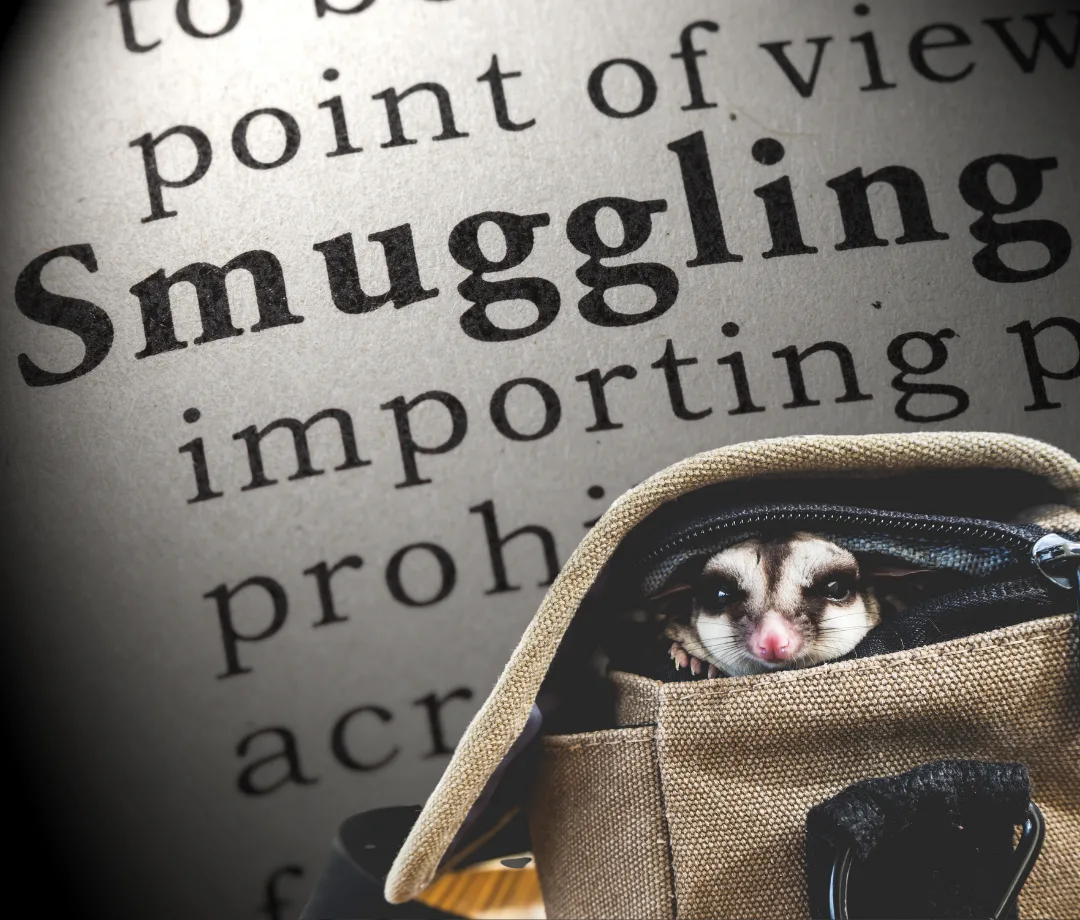
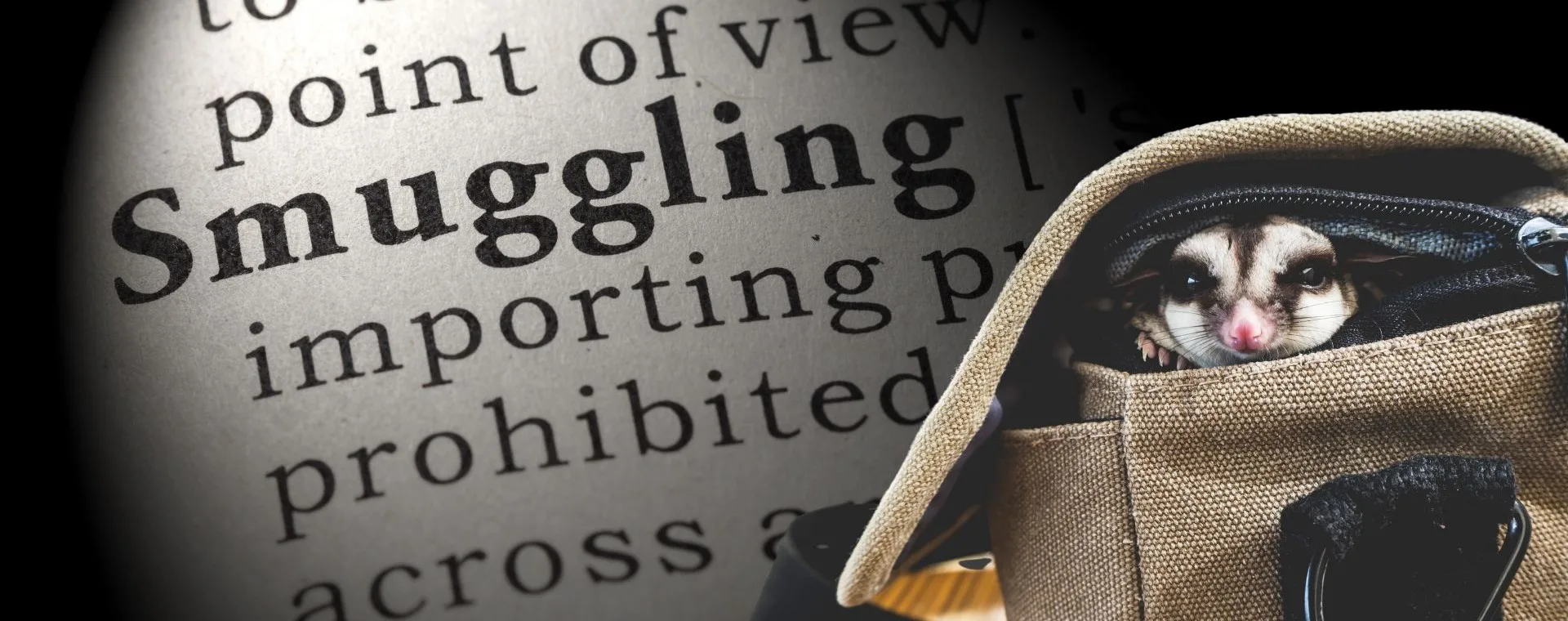
Have you ever locked eyes with a sugar glider and, just for a moment, wished you could have one though you know it is illegal? You are probably not alone.
It is human nature to be attracted to what is ‘cute’ and exotic. Science has shown that this preference is deeply rooted in biology. For example, a cute baby could bring out feelings of compassion and a nurturing instinct. This has evolutionary significance since it encourages us to care for our children and continue the human species. We are also attracted to rare and unique things because they spark curiosity and a sense of individuality.
But acting on these feelings without thinking about the consequences can cause harm, especially to animals. Unfortunately, it is easy to underestimate or ignore their suffering simply because they do not have a voice to be heard.
In 2023, more than 30 cases of animal smuggling were uncovered at Singapore’s borders. The smuggled animals included companion pets such as puppies and kittens, and exotic or wildlife species such as rare birds, arowanas, axolotls, sugar gliders, and tarantulas.
Many Smuggled Animals Die in Transit or From Disease
Because smuggling is illegal, the main goal of smugglers is to evade detection by the authorities. They often resort to inhumane methods such as crowding many animals into bags or boxes which are then stowed in the car boot, behind seats, or inside hidden compartments. The animals are cramped in small spaces with limited ventilation, sometimes for hours, and deprived of food and water. Some of them may even be sedated to keep them quiet to avoid attracting attention. Those who survive the journey usually arrive injured, dehydrated, or in severe distress which leads to them eventually dying.
In March 2023, the authorities at Tuas Checkpoint discovered eight boxes of exotic birds hidden behind the driver and passenger’s seats. There were 337 birds in total, of which 138 died (likely stress-induced) within five days of being rescued.
Cramped conditions are also a ripe breeding ground for the spread of viruses. It is not uncommon for smuggled puppies and kittens to suffer from parvovirus, which is highly contagious and can be fatal when their immune systems are not yet mature.
Spillover Effects from Smuggling
Whenever animals are brought in from an unknown source, there is a risk that they carry dangerous diseases. Some of these diseases are zoonotic, meaning that they can be passed from animals to humans (vice versa) and fuel a pandemic. In other words, animal smuggling endangers not just animal welfare but also human health and biosecurity. This is closely related to the concept of ‘One Health’ – Google it to find out more!
Smuggling is Often the Tip of the Iceberg
Behind every smuggling attempt is a backstory that can be just as cruel as the illegal trade itself. Many of the animal victims are bred specifically to be sold.
For companion animals, breeding adds to the existing problem of overpopulation. In a world that already has more animals than there are homes for them, it is hard to justify any form of breeding as ethical or responsible, no matter how well the bred animals are looked after before being sold. The act of breeding is, in itself, an act of cruelty because it brings animals into existence without being guaranteed a loving home for life.
Unfortunately, the problem does not stop there. To meet the demand of buyers who simply want a cute pet from a ‘pedigree’ line, breeders often place a premium on their animals’ physical appearance at the expense of their health.
Here are some ways in which animals are bred to suffer for their looks:
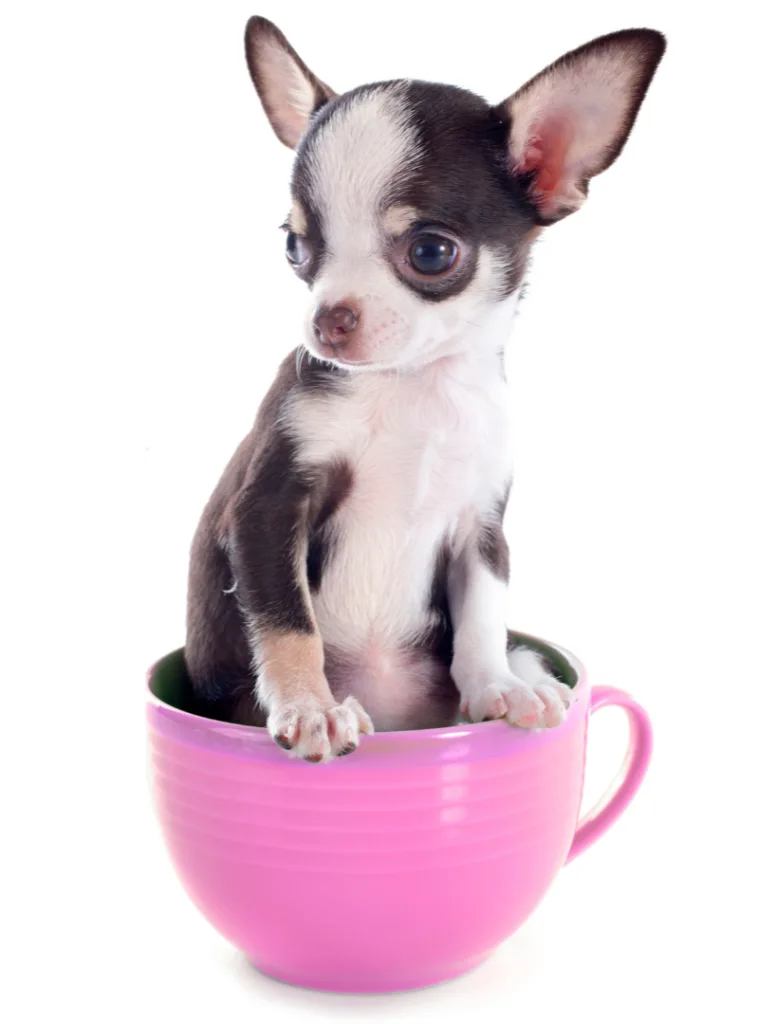
Teacup dogs are popular for their miniature size. They are bred from the runts of litters to make the smallest dog possible. Since runts tend to be small due to birth defects or other medical conditions, they are unsuitable for breeding in the first place and may transmit genetic defects to their offspring. The health risks increase with each generation, producing even smaller dogs with even more medical issues. These include collapse of the windpipe, breathing difficulties (especially in flat-faced breeds), displaced kneecaps, heart disease, and sensitivity to cold.
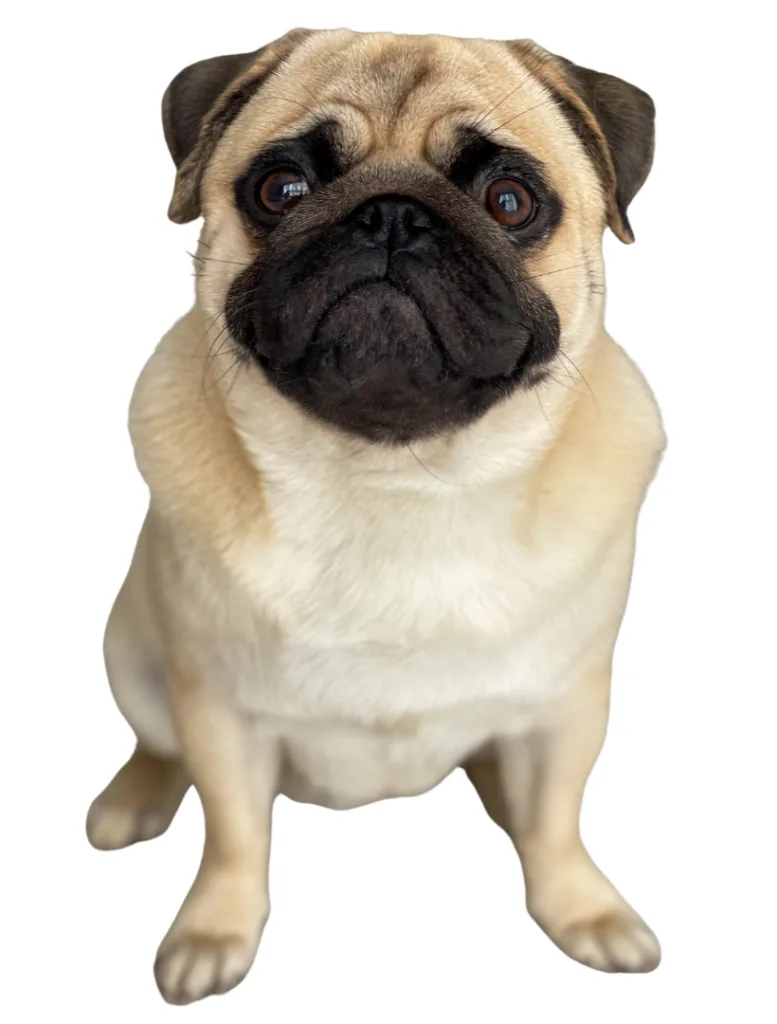
Pugs are an example of a severely flat-faced breed, prone to breathing problems due to their compressed noses. Their bulging eyes, a source of charm for many owners, are the result of shallow eye sockets which increase the risk of dry eyes, eye infections, and corneal ulcers. It is not uncommon for a pug’s eyes to pop out when even a slight pressure is applied around their eyes or when they strain at the leash. Skin infections are also more likely as their wrinkled skin traps dirt and moisture.
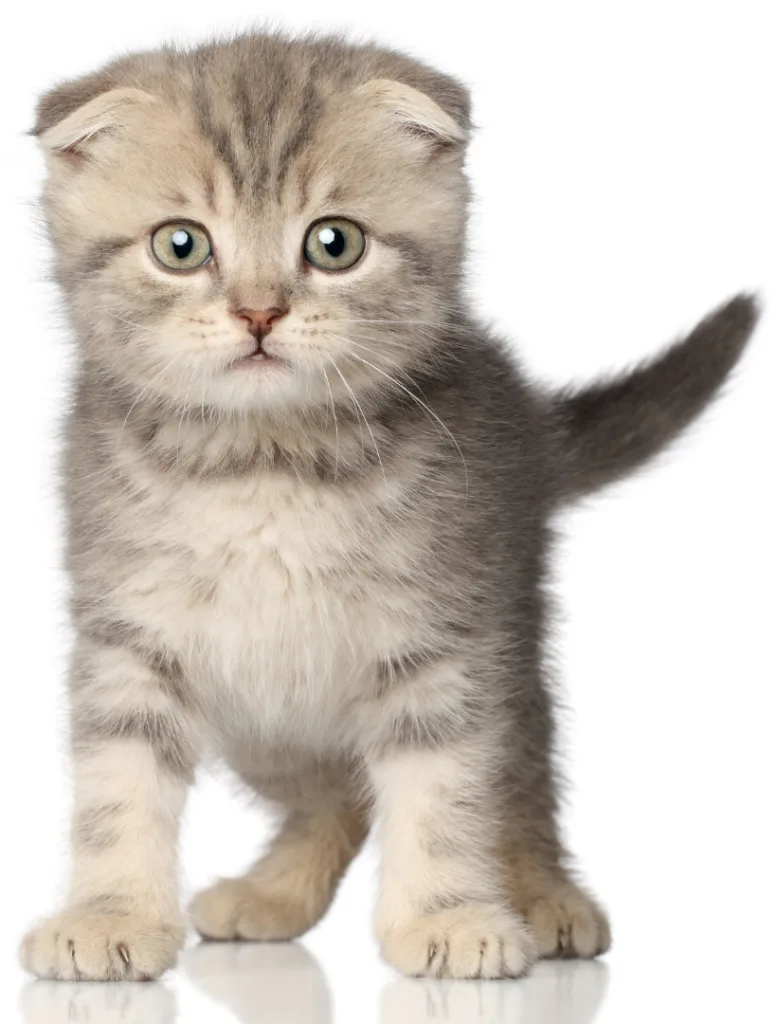
Scottish Folds are bred for their folded ears. Unfortunately, the same genetic mutation that produces the folded ears also causes abnormal bone growth which can lead to paralysis as the cat gets older. On top of that, their flat faces and short noses increase the risk of breathing problems.
Since many of these conditions become more apparent with age, it is easy for buyers to be lured into buying a cute pet only to find that they cannot meet their medical needs. This can lead to neglect and abandonment. In fact, many of the abandonment cases the SPCA sees involve senior pedigrees with multiple health issues that are likely related to breeding.
Smuggling is a Punishable Crime
Sadly, profit outweighs the value of animal lives in the minds of smugglers. Where their conscience fails, the law must step in to act as a deterrent:
- Under the Animals and Birds Act, first-time offenders who import any animal or bird without a licence may be fined up to $10,000 and/or jailed for up to one year
- Under the Wildlife Act, those who sell, export, or offer any wildlife for sale (whether alive or dead, or in parts) without the Director General’s written approval may be fined up to $50,000 and/or jailed for up to two years.
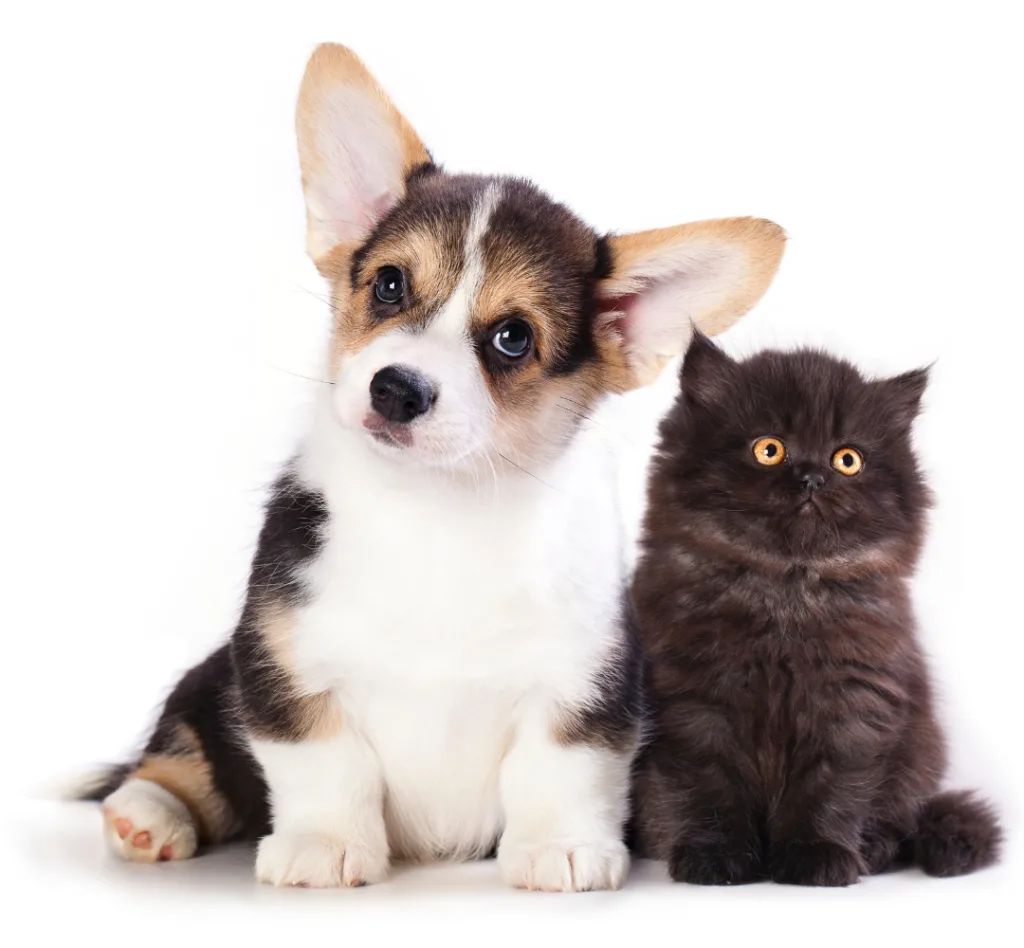
In May 2024, a man was caught by the Singapore Customs for trying to smuggle seven puppies and a kitten. The animals had been sedated and stowed in the car boot. Regrettably, only the kitten and one puppy survived the ordeal. The man later admitted that this was not his first rodeo. On three separate occasions in the past month, he had smuggled 15 puppies and one kitten. This meant a total of 24 animal victims in the man’s known history. He apparently earned 1,500RM for each transportation and smuggling. While the prosecutor had asked for a jail term of 44 to 54 weeks, the man was sentenced to the lower limit of 44 weeks.
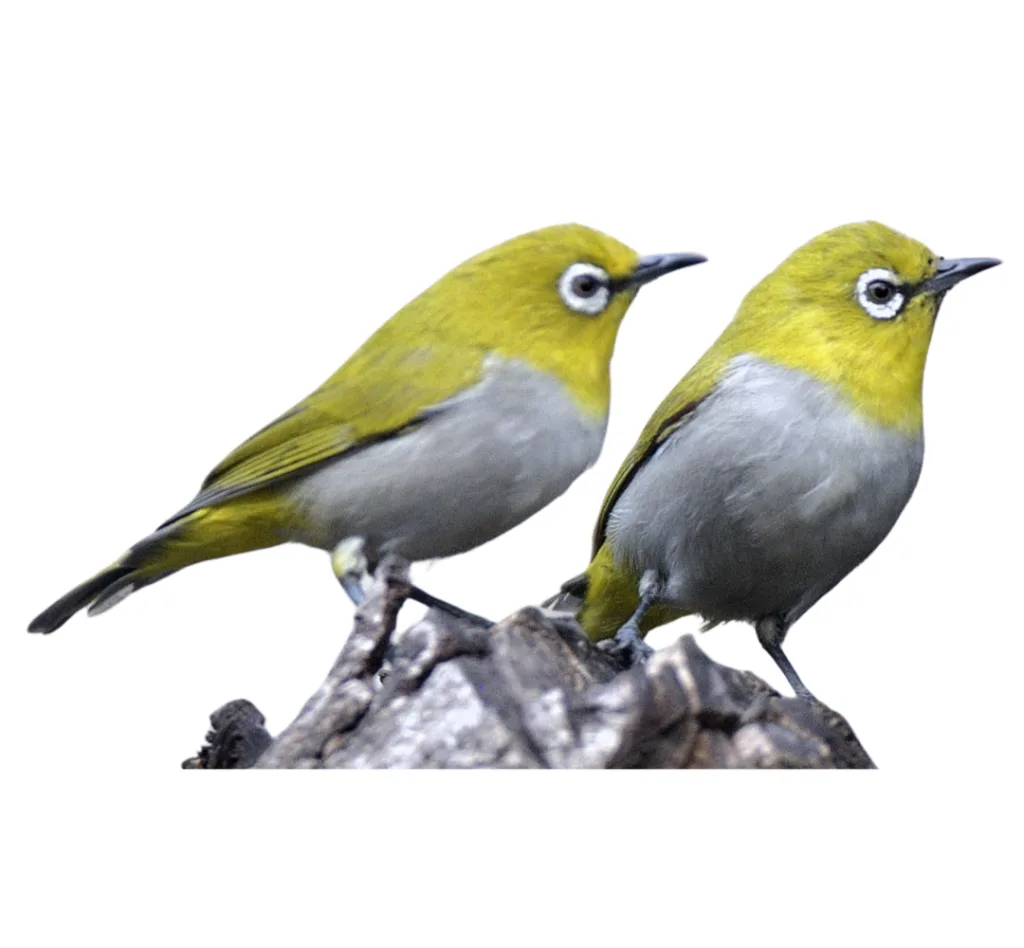
In September 2024, the Singapore Customs thwarted a man’s attempt to transport 62 birds (2 cages) from Malaysia. The birds were of the Swinhoe’s White-Eye species. Unfortunately, 21 of them passed on due to stress. While the prosecutor had asked for a jail term of 16 to 24 weeks, the man ultimately received a sentence of just 8 weeks.
The SPCA has been lobbying the government on multiple issues to better protect our animals, such as stronger legislation and more severe penalties. But because laws take time to change, we must also focus on education and outreach to raise public awareness.
Buyers Beware
Buyers of smuggled animals are equally liable for abetting the crime. In 2024, the authorities prosecuted a buyer who purchased a dachshund despite knowing that the dog was illegally imported from Malaysia. This is the first such prosecution in Singapore, aimed at punishing the buyer, and will likely set a precedent for future similar cases.
If you wish to have a pet, adopt instead of buying. If you must have a pet of a certain breed, purchase them from a licensed pet shop. Be wary of sales made online, such as through Telegram, and do not buy into tactics such as the promise of microchipped pets – the presence of a microchip does not mean that the transaction is legal or that the pet has been duly licensed with the Animal & Veterinary Service (AVS under NParks). Under our local laws, all animals brought into Singapore must undergo a quarantine period. If your purchased pet is not subjected to a quarantine period, this is a major red flag.
How You Can Help
The best way to stop smuggling is to disrupt the demand for it. When animal smugglers no longer profit from it, the illegal trade will naturally decline.
If you have credible information on suspected smuggling or illegal trade of animals, make a report with the AVS/NParks through their online form or by calling 1800 476 1600. You could be in time to save an animal’s life.
In a world where human preferences dictate which other species survive and thrive, let us choose to do better. Let us be kind to all kinds.
February 2025